
Storing seasonal clothes efficiently can make a big difference in keeping your home tidy and your wardrobe easy to manage. Whether it’s winter coats, summer dresses, or holiday sweaters, having a system to store these items when they’re out of season helps save space, protects your clothes, and makes switching out your wardrobe much simpler. In this post, we’ll explore practical tips and storage solutions to keep your seasonal clothes in great condition and organized throughout the year.
Why Store Seasonal Clothes Properly?
Seasonal clothes are often bulky and take up valuable closet space. Without proper storage, they can become wrinkled, damaged by pests, or get lost in clutter. Efficient storage:
– Frees up everyday closet space for current-season clothing.
– Protects fabrics from dust, moisture, and insects.
– Helps you easily access clothes when the season changes.
– Keeps clothes fresh and in good condition.
Before You Store: Sort and Prepare Your Clothes
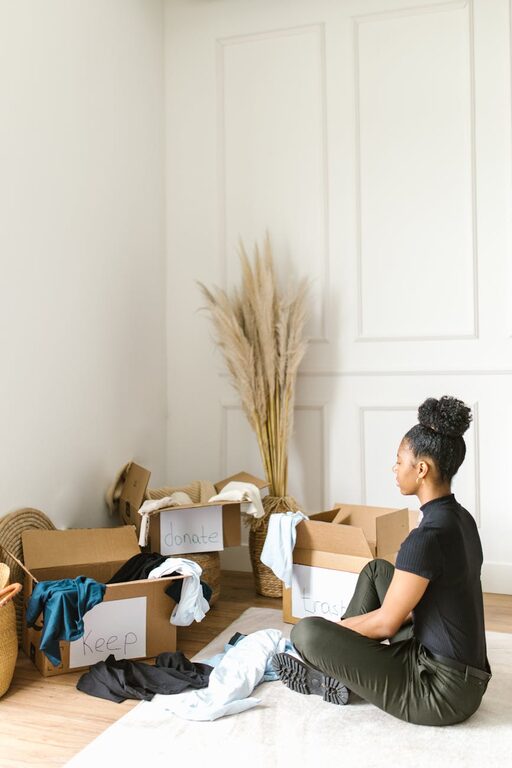
Start by sorting your clothes to decide what to keep, donate, or discard. This step prevents clutter from building up.
Steps for Sorting
- **Empty your wardrobe**: Pull all seasonal clothes out.
- **Clean every item**: Wash or dry clean to remove dirt and stains.
- **Declutter**: Donate or recycle clothes you no longer wear.
- **Repair if needed**: Sew buttons back on or fix small tears.
Clean clothes deter pests and reduce odors during storage.
Choose the Right Storage Containers
Selecting proper storage containers will keep your clothes safe from damage and easy to access later.
Common Storage Options
– Plastic bins with lids: Waterproof and stackable, ideal for protecting clothes from moisture and dust.
– Fabric storage bags: Breathable but less protective against pests; good for delicate fabrics.
– Vacuum-sealed bags: Save space by compressing bulky items like winter coats and blankets but avoid using on natural fibers long-term.
– Under-bed storage boxes: Great for small spaces and easy access.
Tips on Storage Materials
– Avoid cardboard boxes, as they absorb moisture and attract pests.
– Use acid-free tissue paper to wrap delicate clothes.
– Label each container with the contents and season for quick identification.
Proper Folding and Packing Techniques
How you fold and pack clothes affects their condition and space usage.
Folding Tips
– Fold heavier items like sweaters and jackets gently to avoid stretching.
– Use the Marie Kondo method to fold clothes into small rectangles for easy stacking.
– Place tissue paper between delicate fabrics to reduce wrinkles.
Packing Tips
– Place heavier items on the bottom and lighter items on top.
– Keep shoes, scarves, and accessories in separate labeled bins.
– Avoid overpacking bins to prevent crushing clothes.
Store Seasonal Clothes in Ideal Conditions
The storage location plays a key role in extending the life of your clothes.
Best Storage Environments
– A cool, dry place away from direct sunlight.
– Avoid basements prone to dampness and attics with temperature extremes.
– Use moisture absorbers like silica gel packs to prevent mildew.
Protect from Pests
– Use natural repellents such as cedar balls or lavender sachets.
– Regularly check stored clothes for signs of insects or mold.
Organizing Your Seasonal Wardrobe
An organized system saves time and reduces frustration when changing seasons.
Organization Tips
– Store clothes by category (e.g., sweaters, jackets, pants).
– Arrange bins in order of use, with the next season’s items easiest to reach.
– Keep an inventory list of stored items for easy reference.
When It’s Time to Switch Seasons
After storage, transition your clothes back into your main wardrobe smoothly.
Seasonal Rotation Checklist
– Take out stored clothes a few days before the season starts.
– Check for any damage or odors and clean if necessary.
– Update your inventory and storage labels for next season.
—
By following these simple yet effective tips, you can keep your seasonal clothes well-organized and in excellent condition year-round. Efficient storage not only maximizes your space but also makes your wardrobe more manageable and enjoyable to use. Happy organizing!